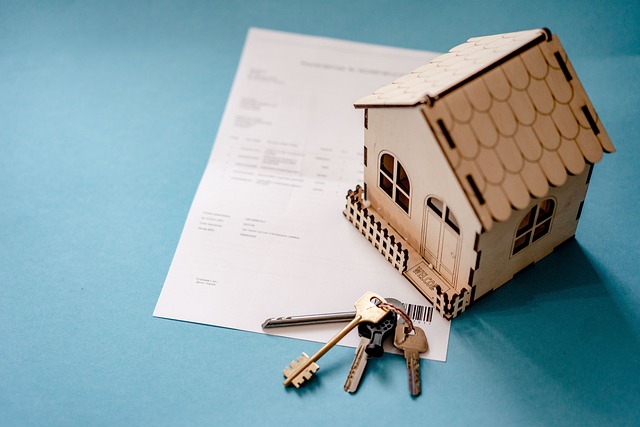
Credit scores are pivotal in the real estate market, dictating loan terms and interest rates. Scores above 720 offer better financing options than scores below 620. Individuals can enhance their credit profiles by: making timely bill payments, maintaining low debt utilization, establishing longer credit histories, diversifying credit types, and regularly reviewing credit reports for errors. These strategies ensure access to competitive loan terms, securing favorable conditions for real estate investments.
In the dynamic realm of real estate, access to favorable financing conditions is pivotal for both investors and aspiring homeowners. However, a significant barrier often lies ahead: higher credit scores typically required by lenders. The challenge is acute, particularly for those new to the market or facing credit history issues. This article delves into this intricate problem, exploring its complexities and offering practical solutions to navigate these hurdles effectively. By providing authoritative insights, we aim to empower readers with strategies to enhance their creditworthiness, thereby unlocking opportunities in the lucrative real estate sector.
Understanding Credit Scores: The Foundation for Real Estate Success

Credit scores play a pivotal role in the realm of real estate, acting as a crucial foundation for both lenders and borrowers. Understanding these scores is essential for anyone navigating the complex landscape of mortgages and property acquisitions. A higher credit score typically opens doors to more favorable loan terms, which can significantly impact long-term financial health. In the competitive real estate market, experts advise that a score above 740 is often considered ideal, ensuring access to the best interest rates and loan options.
The relationship between credit scores and real estate is intertwined; lenders carefully assess these scores to mitigate risk when offering loans. According to recent data, borrowers with higher credit ratings consistently demonstrate lower default rates, making them more attractive candidates for significant financial commitments. For instance, a study by the Federal Reserve showed that individuals with credit scores above 720 were approximately 50% less likely to experience foreclosure compared to those below 620. This underscores the importance of maintaining and improving credit health before embarking on a real estate journey.
Practical steps for real estate professionals and buyers include regularly reviewing credit reports, disputing any inaccuracies, and implementing strategies to boost scores over time. Simple yet effective habits such as paying bills on time, keeping credit card balances low, and diversifying credit types can collectively make a substantial difference. By prioritizing credit score management, individuals can position themselves for smoother sailing in the real estate process, securing competitive financing that aligns with their property aspirations.
Factors Influencing Higher Credit: Unlocking Your Real Estate Potential

Building a strong credit score is not just about securing personal loans or credit cards; it’s a cornerstone for unlocking significant financial opportunities in real estate. Higher credit scores typically required for substantial real estate transactions can lead to better loan terms, lower interest rates, and increased borrowing power. Several key factors influence the attainment of these higher credit scores, each requiring thoughtful attention and proactive management.
Firstly, timely bill payments are paramount. Consistently paying utility bills, credit card statements, and other recurring debts on time accounts for 35% of your credit score. Automating payments or setting up reminders can help ensure this crucial aspect remains unblemished. Additionally, keeping credit utilization low—the ratio of outstanding debt to available credit limits—is vital. Aiming to utilize less than 30% of your total credit limit across all accounts can dramatically impact your score. For instance, if you have a credit card with a $10,000 limit, strive to keep balances below $3,000.
The length of your credit history also plays a significant role. Longer credit histories demonstrate a proven track record of responsible financial management, positively influencing your credit score. Establishing a robust credit history requires patience and consistency; opening credit accounts early and maintaining them responsibly over time can substantially benefit future real estate endeavors. Furthermore, diversifying your credit mix by holding a mix of credit types—such as credit cards, auto loans, and mortgages—can enhance your credit profile, though it’s essential to manage these responsibilities carefully to avoid overextension.
Regularly reviewing your credit report for inaccuracies or signs of fraudulent activity is an often-overlooked yet critical aspect. Errors can significantly impact your credit score, so staying vigilant ensures fairness and allows for swift correction if needed. Utilizing free annual credit reports from major credit bureaus and monitoring changes in your credit profile can help protect against errors and identity theft. By addressing these factors effectively, individuals can position themselves for better credit scores, unlocking access to more favorable financing options in the dynamic real estate market.
Building a Strong Credit Profile: Strategies for Real Estate Security

Building a strong credit profile is an essential strategy for real estate security. In today’s market, lenders carefully scrutinize borrowers’ credit scores, often demanding higher ratings to secure competitive loan terms. According to recent data from the Federal Reserve, over 70% of mortgage applicants have credit scores above 740, indicating the importance of maintaining an excellent financial standing. A robust credit profile not only ensures access to financing but also secures favorable interest rates and loan conditions.
Real estate naturally involves significant financial commitments, making it crucial for prospective buyers and investors to cultivate a solid credit history. This includes timely bill payments, minimal debt utilization, and a consistent borrowing pattern. For instance, consistently paying rent on time can help establish a positive payment history, which is a key factor in calculating credit scores. Additionally, utilizing credit cards responsibly—maintaining balances below 30% of the credit limit—can demonstrate effective money management. Lenders view such patterns as indicative of financial responsibility, enhancing the likelihood of approving loans with favorable terms.
Experts recommend proactive measures to build and maintain a strong credit profile. Regularly checking credit reports for errors or discrepancies is vital. Any inaccuracies can negatively impact scores, so addressing them promptly through credible credit bureaus is essential. Furthermore, diversifying credit types—such as having a mix of credit cards, auto loans, and mortgages—can improve creditworthiness. This demonstrates to lenders that an individual can manage different financial obligations responsibly. For real estate investors, this might mean strategically utilizing home equity loans or lines of credit for property acquisitions, thereby demonstrating a diversified credit profile.
Lastly, setting financial goals and working towards them can significantly enhance credit standing. Paying off high-interest debt, saving for substantial down payments on properties, or establishing a history of timely loan repayments are all tangible steps that demonstrate commitment to financial responsibility. These actions not only strengthen individual credit profiles but also provide a solid foundation for securing real estate investments with optimal conditions.